Structure and components of a machine
3. Structure and Components of a Machine
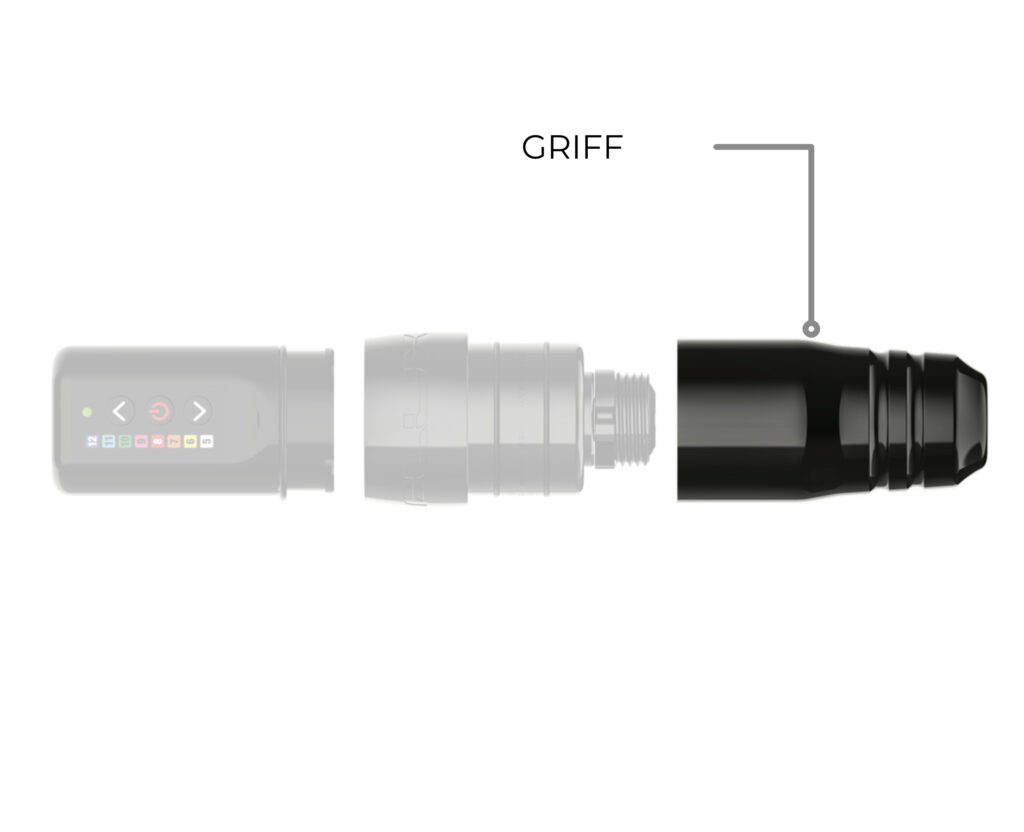
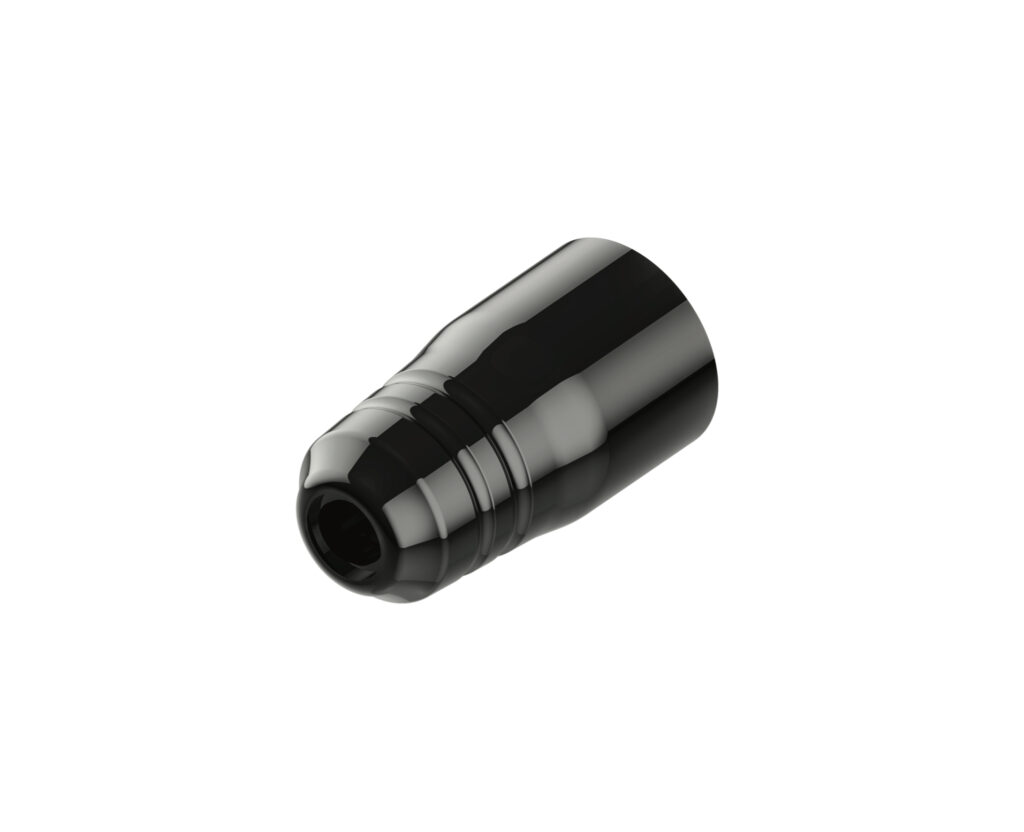
Handle (needle holder)
The handle holds the needle and allows for precise control. It is ergonomically designed to ensure a firm grip and to accurately transfer the artist's movements to the skin.
Motor
The motor is the heart of the machine. In rotary machines, an electric motor drives the needle's rotational motion, while in bobbin machines, electromagnetic coils drive the needle in a rapid, linear motion.

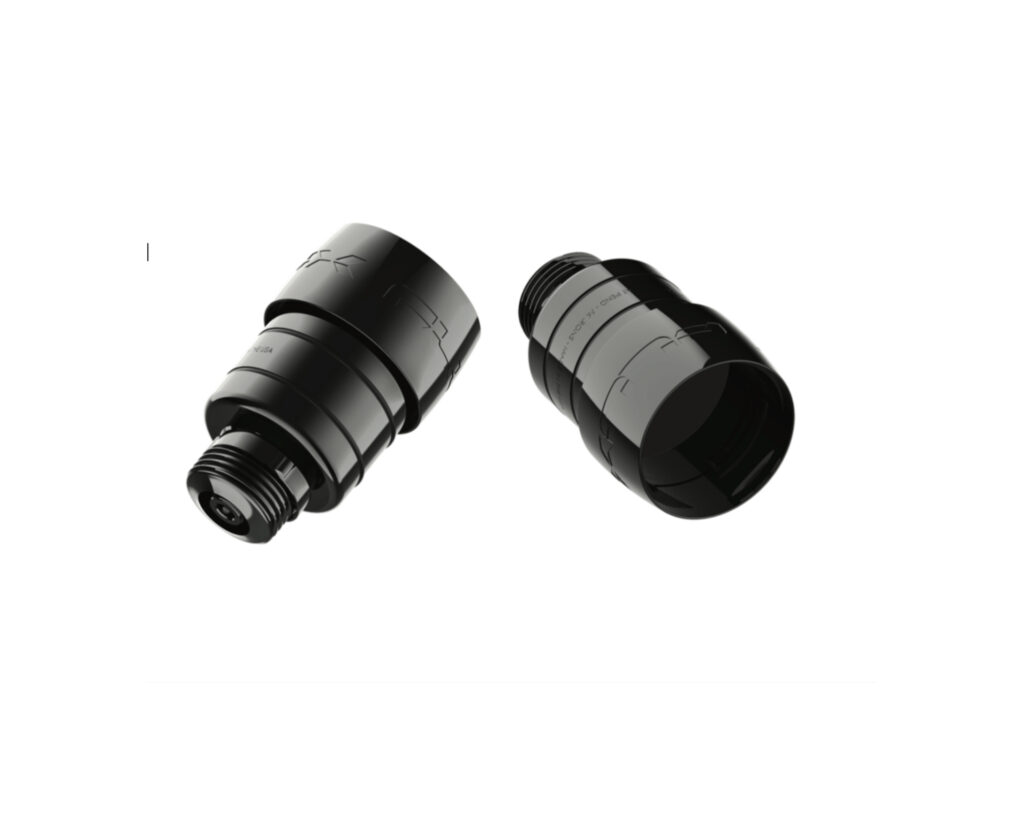
Battery for a cordless tool
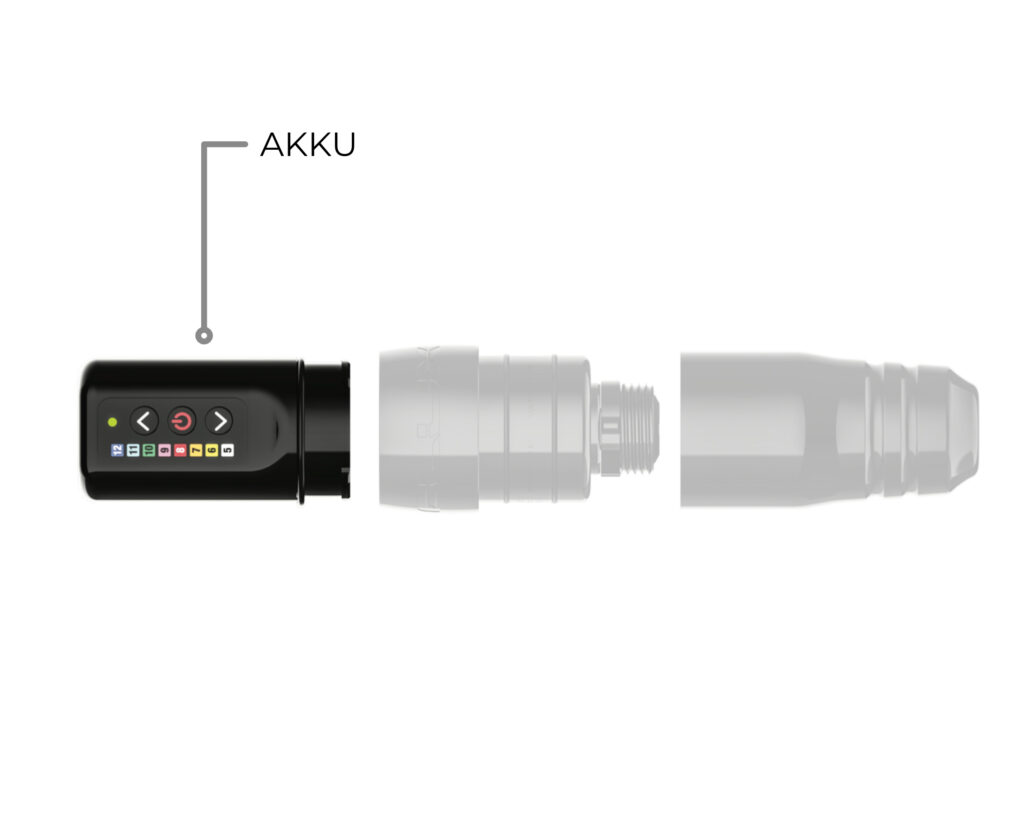
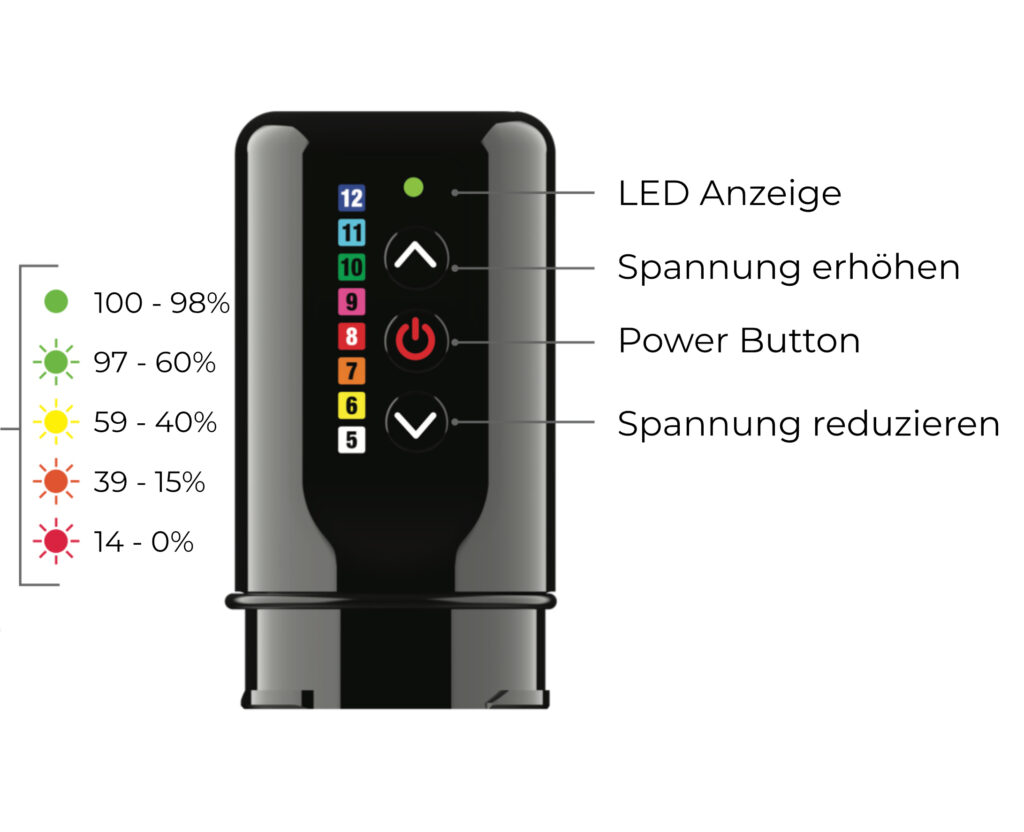
In cordless tools, the motor is powered by a rechargeable battery. These tools offer freedom of movement but are limited by the battery's runtime.
Cable Connection for a Wired Machine
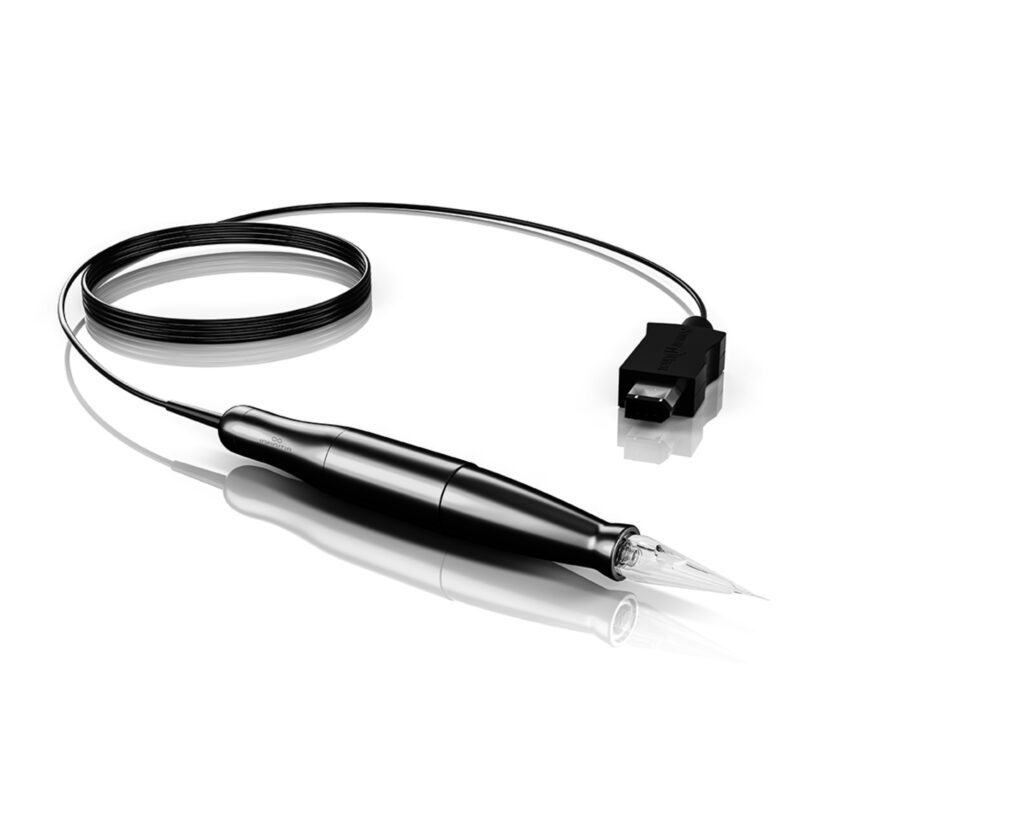
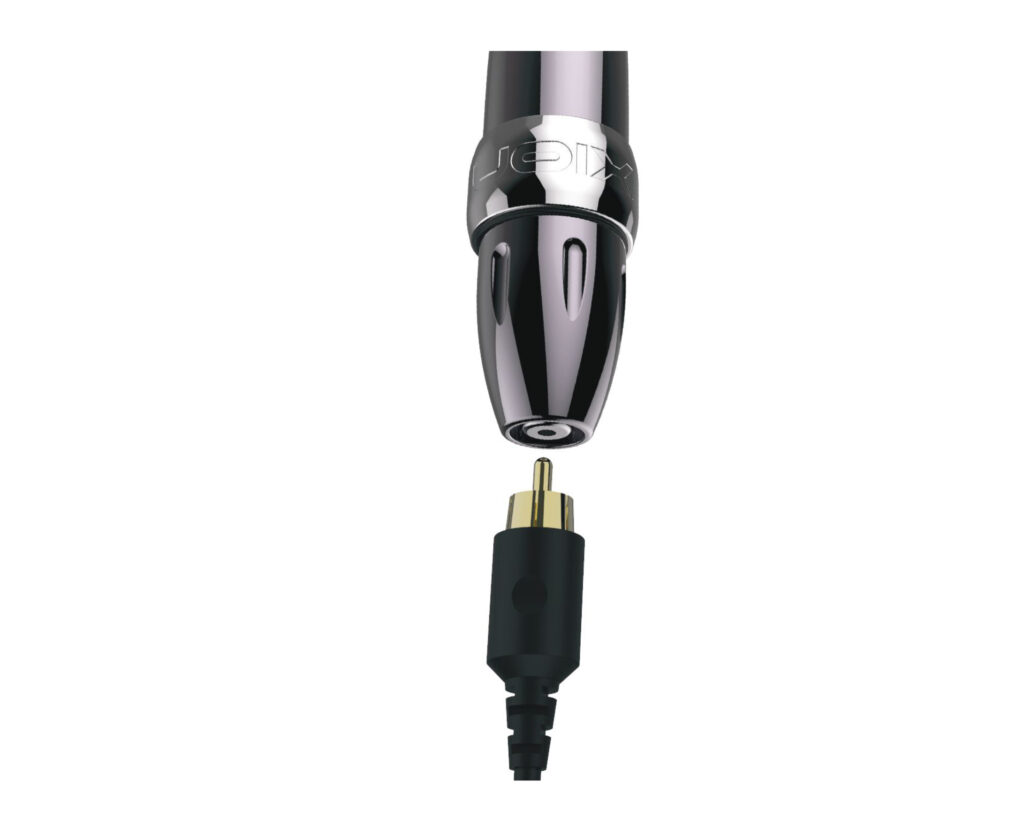
Corded machines draw their power from a cord connected to a power supply. These machines provide consistent performance but are limited by the length of the cord.

System for Adjusting the Stroke Length
Some machines are equipped with a system that allows you to adjust the stroke length. This is important for controlling the force of the needle application rather than the depth of pigmentation.
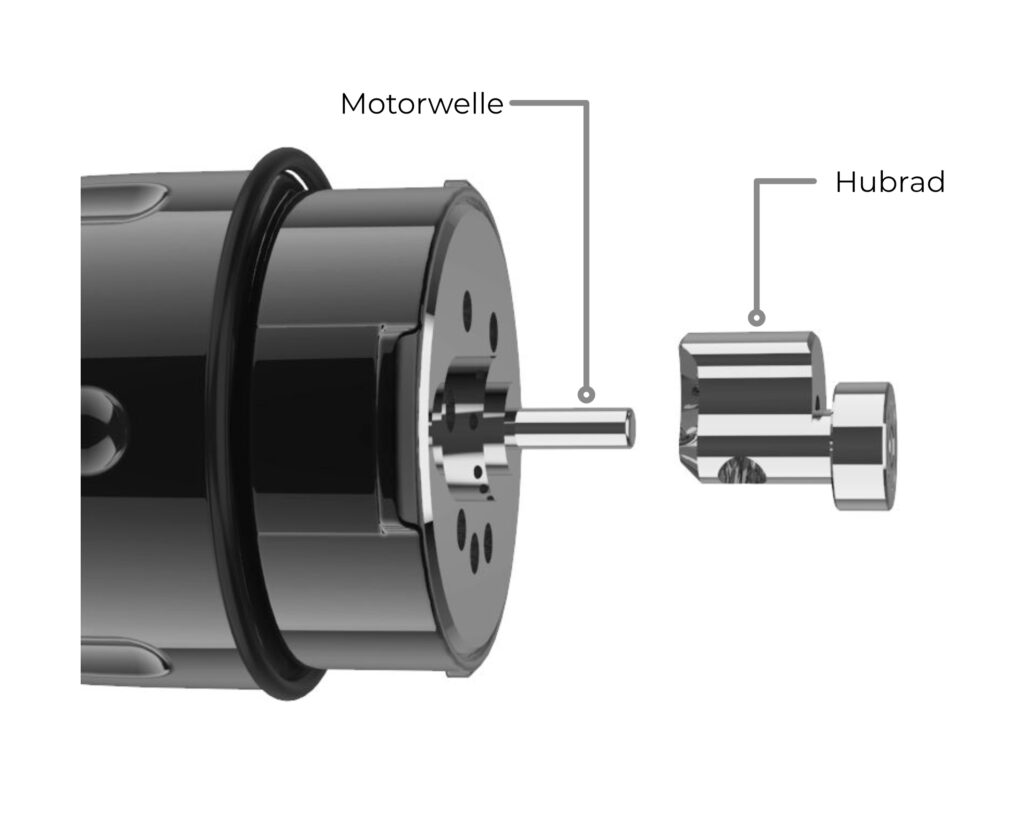

Needle Length Adjustment
The needle length setting does not directly affect the depth to which the pigment is deposited into the skin; rather, it affects the flow of ink and the precision of the work. A longer needle length results in less ink flow than a shorter setting. This makes it easier to see the needle tip and the preliminary sketch, resulting in more precise work. Adjusting the needle length can thus improve control over the work process and increase accuracy, especially when working on fine details and sensitive areas of the skin.

